Why Invest in a Robot Coffee Shop?

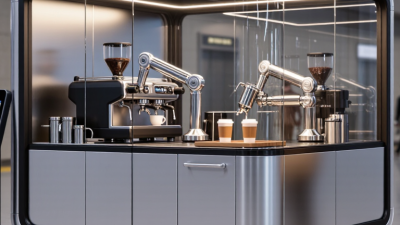
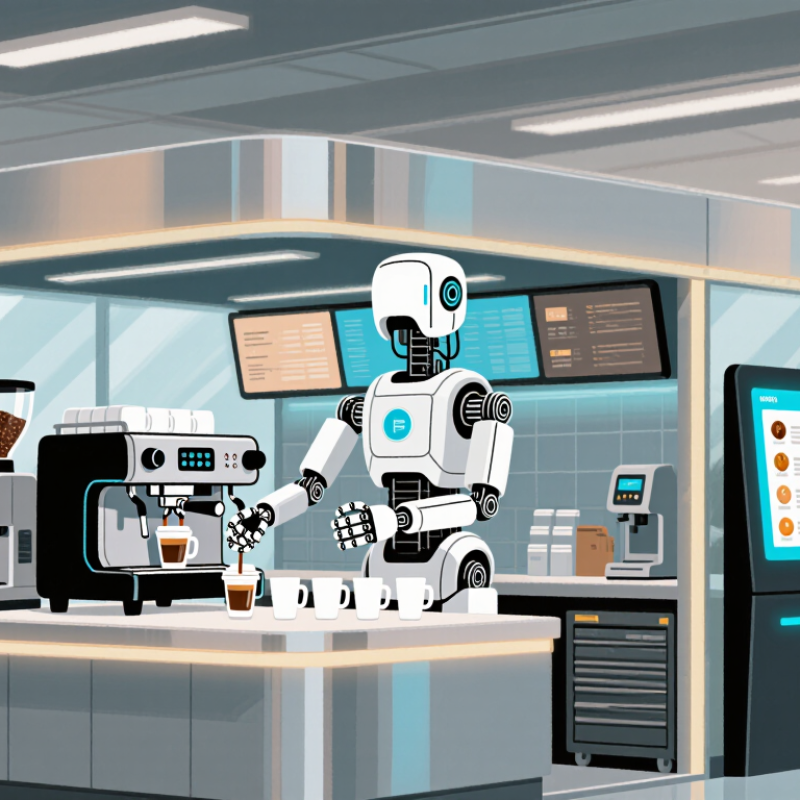
A robot coffee shop can turn a compact space into a fast, repeatable coffee service. Picture a customer tapping a screen, watching a robotic arm pull espresso, and collecting a cup without joining a long queue. For investors, the appeal may include extended operating hours, consistent drink preparation, and a smaller service footprint. Henry Hu, founder of Cafe X, has championed automated coffee service as a way to make specialty drinks more convenient and consistent. That is a useful industry perspective, not proof of a reliable return. Convenience matters. So does taste.

The investment case depends on more than the robot. Site traffic, rent, maintenance, ingredient costs, and customer trust all shape performance. A machine can pour a latte at the same temperature each time, yet a technical fault can interrupt sales. Some customers may enjoy the novelty; others may miss a human greeting or custom advice. Investors should examine operating data, service plans, and repeat-purchase rates before judging a business by its polished kiosk. A bright screen is not a business model.

This outline explores the costs, revenue potential, customer experience, and risks behind investing in a robot coffee shop. It also asks a less comfortable question: does automation solve a real service problem, or simply make coffee look futuristic? The answer may vary by location. And by customer.
Why Invest in a Robot Coffee Shop?

Coffee Demand: 67% of U.S. Adults Drank Coffee Daily in 2024 (NCA)

Why Invest in a Robot Coffee Shop?

Coffee Demand: 67% of U.S. Adults Drank Coffee Daily in 2024 (NCA)

Coffee demand gives automated cafés a substantial audience to serve. The National Coffee Association’s 2024 National Coffee Data Trends report found that 67% of U.S. adults drank coffee daily. Its survey also found that 45% had specialty coffee the previous day. That matters. A compact robot café near offices, transit, or a hospital can serve familiar drinks where people already pass by.

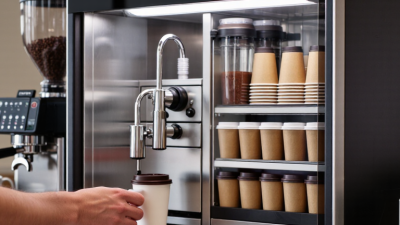
Automation may help manage repetitive tasks, such as grinding beans, pouring shots, and preparing a steady stream of orders. A customer can watch the machine tamp coffee, hear milk steam, and collect a drink without joining a long queue. But speed alone is not a business plan. The coffee must taste good, equipment needs maintenance, and restocking still takes human effort.

The NCA figures describe coffee habits, not guaranteed sales for any location. A busy morning can be followed by a quiet afternoon. Some customers may enjoy the novelty; others may want a person to make a recommendation. Investors should compare foot traffic, rent, ingredient costs, and service interruptions before committing. A robot café can reduce some routine labor, but it cannot repair weak demand or an inconvenient site.

Market Scale: 45,200 U.S. Branded Coffee-Shop Outlets in 2024 (WCP)

WCP puts the number of branded coffee-shop outlets in the United States at 45,200 in 2024. That scale matters: coffee is already a familiar, frequent purchase for many customers. A robot coffee shop would enter an established market, not create one from scratch. But 45,200 outlets do not guarantee demand for any particular automated kiosk. Location, opening hours, drink quality, and repeat visits still matter.

A useful test is the morning rush. Can the machine handle a queue, prepare consistent drinks, and recover quickly when a cup is misplaced or an ingredient runs low? Customers notice small details: a clear pickup shelf, a warm lid, and a screen that explains delays. Automation may help cover long hours or compact spaces, but equipment, cleaning, and maintenance bring real costs. No magic switch. The outlet count is a strong market signal, though it says little about local competition or margins. I would treat it as a reason to investigate a site, then check foot traffic and operating costs before investing. That caution may sound unexciting. It is still necessary.

Automation Readiness: 158,000 Professional Service Robots Sold in 2022 (IFR)

Why Invest in a Robot Coffee Shop?

The automation story is becoming harder to ignore. The International Federation of Robotics (IFR), in its World Robotics 2023 report, recorded about 158,000 professional service robots sold worldwide in 2022, a 48% increase from 2021. The figure points to growing adoption across professional settings, including hospitality and food service. It does not mean that 158,000 coffee-making robots were sold. That distinction matters.

For a café operator, the practical question is whether automation can handle repetitive work reliably. A robot may prepare drinks during a morning rush, while staff manage customer questions, restock cups, and clean the counter. Consistent output can help, but uptime, maintenance, ingredient waste, and the customer experience still shape the business case. Small delays add up. IFR’s industry-wide sales data signals readiness, not guaranteed profit. I would test a real service workflow before committing; the numbers alone cannot tell you how local customers will respond.

Tips: Track drink orders per hour, downtime, and cleaning time during a pilot. Ask staff where handoffs feel awkward. One missed detail matters. A neat robot demonstration is not the same as a dependable café shift.

Labor Economics: Food-Prep Workers’ Median Pay Was $15.04 per Hour in 2023 (BLS)

Why Invest in a Robot Coffee Shop?

The wage figure deserves a close look. In May 2023, food-preparation workers earned a median $15.04 per hour, according to the U.S. Bureau of Labor Statistics’ Occupational Employment and Wage Statistics. At 40 hours a week for 52 weeks, that equals about $31,283 in gross wages for one full-time position. It does not include payroll taxes, benefits, training, or the cost of covering absences. A robot coffee shop may reduce some repetitive drink-making labor, especially during a sharp morning rush. But that wage is a benchmark, not a guaranteed saving.

The National Restaurant Association’s 2024 State of the Restaurant Industry report describes labor and other operating expenses as ongoing concerns for restaurant operators. Automation can help make service more consistent: a machine can measure, heat, and pour to set parameters while staff handle guests, restocking, and cleaning. Small details matter. Milk residue still needs wiping, beans need refilling, and a jammed mechanism can stall the line. Not effortless.

A sound investment case compares the machine’s purchase, installation, maintenance, and downtime with the labor it can realistically replace. It should also account for the human work that remains. A spreadsheet can make the trade-off look cleaner than a real shift. That uncertainty is worth testing with local wage data, transaction volume, and a pilot run before committing.

Investment Appraisal: Compare Robot Costs with Site-Level Sales and Labor Data

Why Invest in a Robot Coffee Shop?

A robot coffee shop is an investment case, not just a labor-saving gadget. Start with the actual site. Track hourly transactions, average ticket, peak-time queues, and drinks lost during equipment downtime. The National Coffee Association’s 2024 National Coffee Data Trends report found that 67% of U.S. adults had coffee in the past day. That signals broad demand, not guaranteed sales at your address. A quiet Tuesday can undo an optimistic forecast.

Compare the robot’s purchase, installation, service, software, and financing costs with realistic labor savings. The U.S. Bureau of Labor Statistics reported a $14.00 median hourly wage for food and beverage serving workers in May 2023. Treat that as a national benchmark, not your local payroll cost. Add employer expenses, then subtract hours still needed for cleaning, restocking, and customer help. Estimate payback using site-level net sales and operating costs. Include repairs and slow periods. Spreadsheets can flatter. Test assumptions against several months of receipts, and admit where your data is thin.

Tips: Get a full-service quote, then model low-, expected-, and high-sales weeks. Record service interruptions and labor hours beside sales. Compare like with like; a robot may speed service, but it cannot create foot traffic.

Why Invest in a Robot Coffee Shop?

Investment Appraisal: Compare Robot Costs with Site-Level Sales and Labor Data

Illustrative monthly planning case in USD, not company-reported results. The example assumes robot-related costs include equipment lease, service, and on-site support. Compare the potential labor-cost reduction with site sales and validate assumptions against local wages, rent, demand, and supplier quotes.