Top Coffee Machines for Offices in 2026

Coffee remains a daily habit for many workers. The National Coffee Association’s 2024 National Coffee Data Trends report found that 67% of U.S. adults had coffee the previous day, the highest share in its survey’s 20-year history. That figure describes consumers, not office demand, but it helps explain why workplace coffee service deserves careful planning.

The best coffee machines for offices in 2026 should match real routines: a quick espresso before a meeting, a full pot during a shift change, or decaf for someone avoiding caffeine. Capacity, brewing speed, cleaning requirements, and supply costs all matter. So does the counter space. A machine that looks impressive in a catalog may frustrate a team if it creates a queue at 9 a.m.

There is no perfect option. Small teams may value simple maintenance, while busy offices may need higher output and varied drink choices. This guide compares machine types and practical features, using manufacturer specifications and published industry data where available. Readers should still check current prices, warranties, and service terms before buying. Good coffee helps. A bad fit becomes obvious fast.
Top Coffee Machines for Offices in 2026

Office Coffee Machines: Purpose and Common Brewing Systems

An office coffee machine does more than dispense caffeine. It supports breaks, informal conversations, and steady morning routines. The National Coffee Association’s Spring 2024 National Coffee Data Trends report found that 67% of American adults drank coffee the previous day. That habit makes reliability important. A slow machine can create queues before meetings. A poorly adjusted one can waste coffee, water, and staff time.

Common brewing systems serve different office needs. Drip brewers suit teams that prefer simple, shared pots. They are affordable and easy to maintain, but coffee quality declines when it sits too long. Bean-to-cup systems grind beans for each drink and often provide espresso, coffee, and milk options. They offer freshness, though grinders and milk lines need careful cleaning. Capsule systems provide speed and portion control. Their waste and narrower flavor range deserve consideration. Espresso machines deliver the most control, but they require trained users and regular calibration. No system is perfect.

Tips: Estimate peak demand by counting cups served during the busiest 30 minutes. The USDA Foreign Agricultural Service’s Coffee: World Markets and Trade report projected 2024/25 global production at 174.9 million 60-kilogram bags, showing a vast supply chain behind daily office coffee. Still, availability does not guarantee quality. Test water hardness, cup size, noise, refill time, and cleaning access before purchasing. We often overlook noise. It matters. Record employee feedback for two weeks, then adjust settings instead of trusting specifications alone.

How to Assess Capacity, Speed, Cost, and Maintenance

Top Coffee Machines for Offices in 2026

Capacity should follow real demand, not optimistic headcounts. The 2024 National Coffee Data Trends report found that 67% of U.S. adults drank coffee daily. In a 60-person office, this may mean 30 to 40 drinks before lunch. A machine producing eight cups per minute sounds adequate, but queues grow when several users customize milk, strength, and temperature. Measure the busiest 30-minute period. Then add roughly 20% spare capacity.

Speed also affects employee time. A practical target is 30 to 60 seconds for a standard drink, including grinding and dispensing. Faster systems often require more power and larger waste containers. The ENERGY STAR Commercial Food Service Equipment program advises buyers to compare energy use, standby performance, and operating schedules. A lower purchase price can become expensive when the machine stays warm all day. Track electricity, filters, ingredients, service calls, and downtime for at least twelve months.

Maintenance is where many office calculations fail. Daily rinsing, weekly cleaning, and scheduled descaling need clear ownership. The Specialty Coffee Association’s Coffee Standards emphasize water quality and equipment cleanliness as key factors in extraction consistency. Hard water can shorten component life, even when the coffee initially tastes acceptable.

I would test the water first and run a two-week pilot. It may expose awkward refilling, noisy grinding, or a waste drawer that fills too quickly. These small failures matter.

Machine Types Suited to Different Office Sizes

For a small office of five to fifteen people, a compact bean-to-cup machine is often practical. It grinds beans, brews coffee, and reduces training time. In daily use, a removable water tank helps when plumbing is unavailable. It saves space. Choose a model with simple cleaning alerts and a waste container that holds several servings. A small capsule machine may cost less initially, but its ongoing waste and supply management can become frustrating.

Medium offices with fifteen to fifty employees need stronger throughput. An automatic espresso machine with a larger boiler and separate milk system can handle busy morning periods. Look for adjustable cup sizes, fast heat-up time, and a water connection if possible. These details reduce queues near the kitchen. From practical observation, milk systems demand more attention than expected. Staff may ignore rinsing instructions, which affects hygiene and taste.

Large offices benefit from commercial-grade super-automatic machines, or two machines placed in separate break areas. Multiple units spread demand and keep one breakdown from stopping service. A plumbed-in system with filtration is useful for frequent use, especially where water hardness is high. Touchscreen controls improve access, but they can encourage careless selections and unnecessary waste. Dedicated coffee stations may also need drainage, ventilation, and scheduled servicing. Bigger equipment is not always better. Overcapacity can leave expensive features unused.

Leading Office Coffee Machines to Consider in 2026

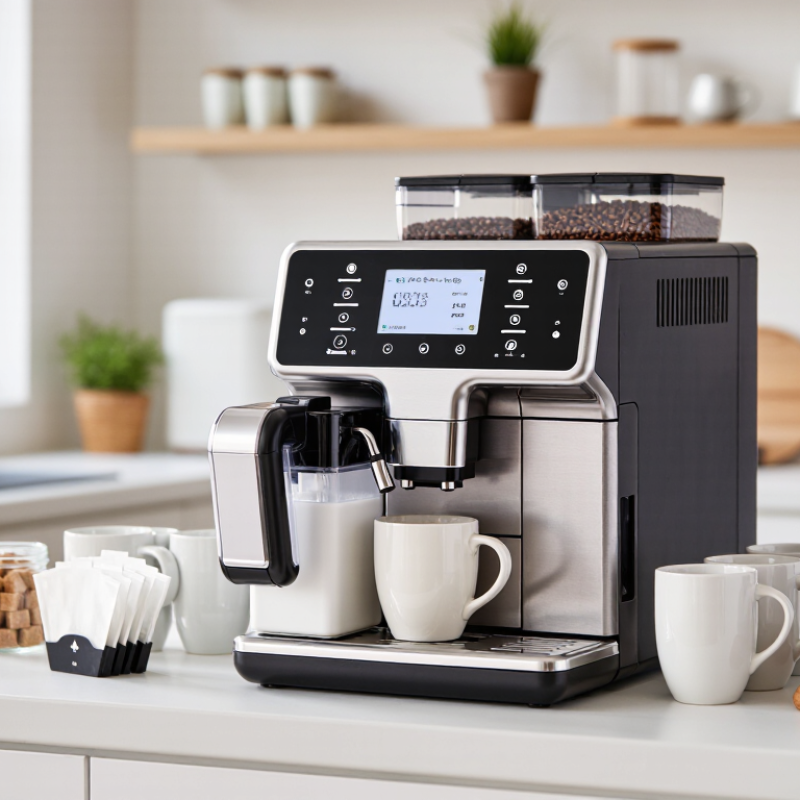
Leading office coffee machines to consider in 2026 should match daily demand, available space, and staff preferences. A compact bean-to-cup machine suits teams wanting fresh coffee with minimal training. For busy offices, choose a model with a larger water tank, fast brewing, and a separate waste container. A reliable grinder matters because uneven grounds can produce weak or bitter cups. Noise also deserves attention in open-plan workplaces.

Tips: Track daily cups for one week before buying. Check cleaning steps, filter costs, and service access. Test the machine during the busiest hour.

Milk systems need careful evaluation. Automatic frothers save time, but they require frequent rinsing to prevent residue and unpleasant smells. Manual steam wands offer better control, although users need basic practice.

Offices should also consider adjustable cup sizes, caffeine-free options, and simple controls for visitors. Accessibility can be overlooked when buttons are small or screens are difficult to read.

I have found that the cheapest purchase is not always the most practical choice. A low-cost machine may need frequent refills, repairs, or staff attention. That weakness becomes obvious by Wednesday morning. Look for clear maintenance alerts, durable internal parts, and a service plan with realistic response times. Energy-saving settings can reduce waste, but they may slow the first cup. This trade-off deserves honest testing before installation.

Installation, Supplies, and Ongoing Workplace Care

Choosing one of the top coffee machines for offices in 2026 involves more than comparing brewing speed. Installation should begin with a stable counter, nearby drainage, safe electrical access, and enough clearance for refilling. In my office installations, overlooked cabinet space often creates daily frustration. Water matters. The National Coffee Association’s Spring 2024 National Coffee Data Trends report found that 67% of American adults drank coffee the previous day. That demand makes dependable access a workplace service, not a decorative extra.

Supplies should match actual consumption. Track cups, filters, milk, sugar, and cleaning tablets weekly, then keep a small buffer for busy meeting days. NAMA’s office coffee service research consistently highlights equipment reliability and responsive service as key buyer concerns. A machine that stops during a 9 a.m. rush quickly loses employee trust. Clear refill labels help, although people still place empty cartons back on shelves. That part needs honest supervision.

Ongoing care requires a written routine. Empty grounds containers daily, wipe touchpoints between shifts, and follow the manufacturer’s cleaning cycle. Test water quality periodically, especially in hard-water areas. Descaling too rarely can affect taste and damage internal parts. Descaling too often can waste supplies. I once treated every office schedule the same, which was a mistake. Usage patterns differ sharply between a twelve-person studio and a busy shared workspace. Record faults, cleaning dates, and supply usage in one visible log. Keep it simple.

Top Coffee Machines for Offices in 2026 — Installation, Supplies, and Ongoing Workplace Care
Machine Type Best-Fit Office Size Typical Serving Capacity Installation Requirements Regular Supplies Daily Workplace Care Ongoing Maintenance
Drip coffee brewer Small to large offices with steady demand Typically brews several cups per batch; capacity depends on the selected carafe or airpot Requires a stable countertop and nearby electrical outlet. Some commercial units need a plumbed water connection. Ground coffee, paper filters if required, and water Empty grounds and rinse the carafe or airpot after use; wipe the warming surface and surrounding counter. Wash removable parts regularly and descale according to water hardness and the equipment instructions.
Bean-to-cup machine Small to medium offices seeking made-to-order drinks One drink at a time; practical output varies with drink complexity and user traffic Needs a level counter, electrical outlet, room for ventilation, and space to remove the grounds container. A water connection may be optional or required, depending on the model. Whole coffee beans, water, and milk or milk alternatives for milk-based drinks Empty the grounds container and drip tray as needed; clean milk-contact parts after use or as directed. Follow the cleaning prompts, descale when indicated, and inspect seals and removable components periodically.
Capsule coffee machine Small teams or shared spaces with moderate, varied demand One serving per brewing cycle Usually requires only a stable counter and electrical outlet; check clearance for the water reservoir and used-capsule container. Coffee capsules and water; cups, stirrers, and other add-ons as needed Empty the used-capsule container and drip tray; rinse the reservoir and wipe the machine exterior. Clean the brewing area and descale at the intervals specified in the operating instructions.
Commercial espresso machine Medium to large offices with trained users or designated attendants Can prepare multiple drinks in succession; output depends on group heads, staffing, and drink preparation time Often needs a dedicated counter, suitable electrical supply, a drain, and a plumbed water connection. Confirm utility requirements before installation. Espresso beans, water, and milk or milk alternatives; cleaning detergent and suitable water-treatment supplies may also be needed. Clean the portafilter and work area after use; purge and wipe steam wands immediately after steaming milk. Backflush and clean components according to the manufacturer’s schedule; arrange qualified service for installation and repairs where required.
Hot-water dispenser with separate coffee brewer Medium to large offices needing coffee plus hot water for tea Supports separate coffee and hot-water service; total output depends on the units selected Requires counter or floor space and electrical access. High-volume dispensers may need plumbing and a drain. Ground coffee and filters for the brewer; tea, instant beverages, and water-treatment supplies as applicable Clean the brewer after use, keep the hot-water tap area tidy, and refill supplies and water where applicable. Descale water-heating components as directed and check connections, dispensing parts, and filters on a routine schedule.

Capacity and installation needs vary by equipment configuration, water quality, and usage. Confirm utility requirements and cleaning instructions before purchase or installation.