10 Tips for Buying Physiotherapy Tools and Equipment
Buying physiotherapy equipment is not just a matter of filling a treatment room. The right choice should support safe, practical care and suit the people who will use it. A resistance band may look simple, yet its tension, grip, and durability can affect daily sessions. A treatment table needs more than a clean finish; stability, height adjustment, and access matter too.
Rehabilitation engineering expert Rory A. Cooper’s research emphasizes matching assistive technology to users and their needs. A useful buying principle, consistent with that work, is: “Choose for the person and purpose, not the product trend.” This is a paraphrase, not a direct quotation. It offers a grounded way to assess Physiotherapy Tools Equipment before comparing brands or prices.
This guide explores ten practical checks, from clinical suitability and build quality to storage, maintenance, and supplier support. Look closely at the details: Can staff adjust the equipment quickly? Does it fit the available space? Are cleaning instructions clear? These small questions can prevent costly mismatches. Not every premium feature will improve care. And a low price can hide trade-offs.
Buying decisions also deserve reflection. A product may look ideal online, then feel awkward during a real session. Consider who will use it, how often, and under what conditions. Ask for specifications, verify warranty terms, and seek qualified clinical input where appropriate. Good purchasing is careful, not flashy. It leaves room to revise assumptions.
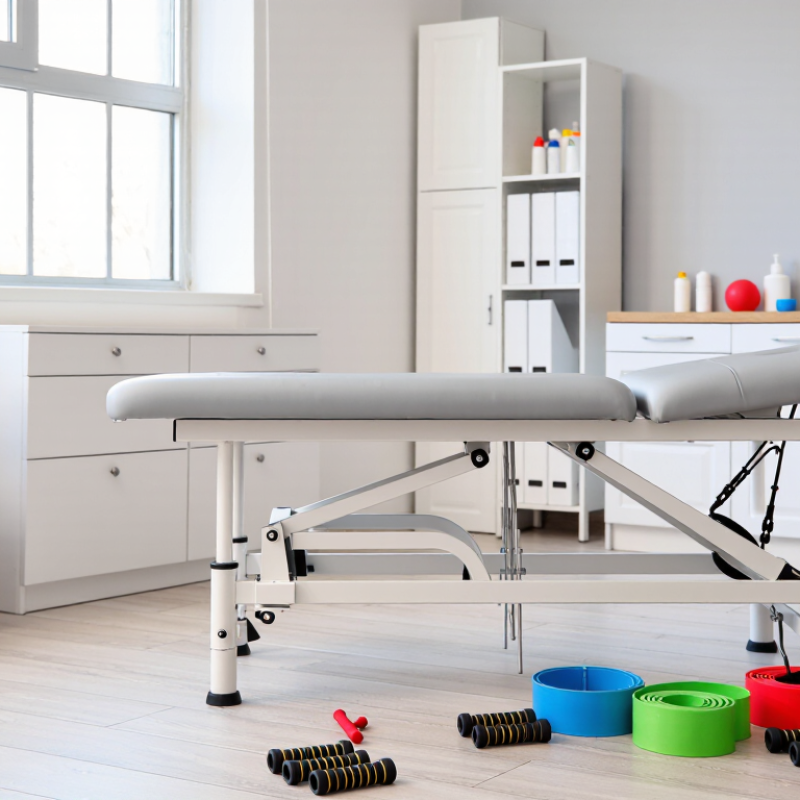
Assess Clinic Needs and Define Treatment Goals
Before comparing physiotherapy tools, map the care your clinic actually provides. Walk through a typical appointment, from intake to exercise instruction, and note where staff need support. A treatment table may suit hands-on assessments, while resistance bands and balance pads may better support supervised movement practice. Count how many patients use each room and how often equipment must be moved or cleaned. Small details matter.
Ask clinicians what slows treatment down, and observe how patients move through the space. Goals should be specific: improving balance practice, supporting gentle mobility work, or making routine assessments more consistent. For example, if several patients need seated exercises, check that chairs are stable and easy to adjust. Record space limits, storage needs, and staff training requirements alongside each goal. Be honest about uncertainties. A tool that seems useful on paper may remain unused if it is awkward to clean or difficult to store. Revisit the list with the people who will use the equipment; their practical feedback can expose gaps in the original plan.
Identify the Physiotherapy Tools Required
Before buying physiotherapy tools, identify the people and goals your service needs to support. A clinic treating post-operative patients may need different equipment from one focused on balance or sports rehabilitation. Review typical assessments and treatment plans with qualified clinicians. Note which tools are used daily, which are occasional, and which require specialist training. Start with the basics. A treatment table, resistance bands, exercise mats, and measuring tools may cover common needs, but the right list depends on your setting. Small details matter. Check that equipment fits the available floor space and can be cleaned between patients.
Match each item to a clear clinical purpose. For example, balance pads may support supervised stability exercises, while hand-held weights can help with graded strengthening. Choose adjustable, durable equipment that suits a range of body sizes and ability levels. Consider storage, maintenance, and safe setup—not just the purchase price. A crowded room can make even useful tools difficult to access. It is easy to overestimate how many options a new clinic needs; unused equipment still takes space and requires upkeep. Ask staff to map a typical session, from assessment to exercise, then compare that workflow with your proposed list. Revisit the list after observing real patient needs. A little uncertainty is normal. The goal is a practical toolkit, not a room filled with impressive-looking gear.
Check Safety, Quality, and Regulatory Standards
Tip: Confirm that each physiotherapy tool is designed for its intended use and patient group. Ask for clear operating instructions, safety warnings, and cleaning guidance. Check weight limits and adjustment points before purchase. Small details matter.
Inspect the equipment in person when possible. Look for stable bases, secure fasteners, smooth edges, and controls that respond consistently. Ask the supplier for material specifications, test records, and warranty terms. A polished finish alone proves little. I would not treat a low price as evidence of poor quality, but unexplained gaps in documentation deserve careful questions.
Check that the product meets applicable regulatory requirements where it will be used. Request current certificates or declarations, then verify that they match the exact model and intended use. Keep these records with purchase and maintenance documents. Have a qualified clinician review suitability for your setting. A checklist can still miss a practical issue, so test setup and cleaning steps with staff before regular use. Revisit the checks after repairs or changes in use.
Compare Suppliers, Prices, and Warranty Terms
When comparing suppliers, look beyond the unit price. Ask for a written quotation that lists delivery, setup, replacement parts, and training fees. A therapy table may seem affordable until freight and assembly add several hundred dollars. Request matching specifications from at least three suppliers, including dimensions, load capacity, adjustment range, and included accessories. Small differences matter. Check whether each supplier provides user manuals, maintenance guidance, and a realistic delivery date. If answers stay vague, treat that as useful information, not a minor inconvenience.
Warranty terms deserve equal attention. Confirm coverage for the frame, upholstery, motors, and electronic controls; these parts may have different limits. Ask who pays for shipping, labor, or onsite service if equipment fails. Get exclusions and claim steps in writing, and clarify whether ordinary wear is covered. A low price with a short warranty can cost more after repeated repairs. Still, the longest warranty is not automatically the best; support quality and spare-part availability matter. It is easy to underestimate downtime when comparing equipment on paper. That blind spot matters. Compare the quoted service response time with your clinic’s schedule, and note any promise that is not written into the agreement.
10 Tips for Buying Physiotherapy Tools and Equipment
Compare suppliers, prices, and warranty terms before purchasing. Use the price ranges below as a general budgeting guide; actual prices vary by product specifications, location, and supplier.
Buying tip: Compare like-for-like specifications, delivery costs, return policies, and warranty coverage. Confirm warranty duration and what it covers in writing; the lowest quoted price may not be the best overall value.
Plan for Maintenance, Training, and Future Growth
Equipment costs do not end when a device arrives. Before purchasing, check service intervals, cleaning requirements, warranty terms, and replacement-part availability. Decide who will inspect each item and where inspection records will be kept. A simple log near the treatment room can track dates, faults, and repairs. Small details matter. Loose cables or worn padding may affect safe, consistent use, so staff need to know what to report. These checks take time, and busy clinics sometimes skip them. That is a practical risk, not just an administrative issue.
Training deserves a place in the budget, too. Arrange hands-on instruction before equipment is used with patients, and repeat it when procedures change or new staff join. Staff should practice adjustments, cleaning, emergency stops, and problem reporting. Keep instructions easy to find. Plan for growth by considering room space, power needs, storage, and likely changes in patient demand. In practice, plans can change when daily use reveals bottlenecks. Forecasts are imperfect. Review equipment use and repair records every few months. Let those observations guide future purchases, rather than investing in capacity the clinic may not need.